What is MVP? The Complete Minimum Viable Product Guide for 2026
Everything you need to know about MVPs: what they are, why they matter, real-world examples from Dropbox to Airbnb, and a step-by-step guide to building your own. Written by founders who've launched 20+ shipped MVPs.
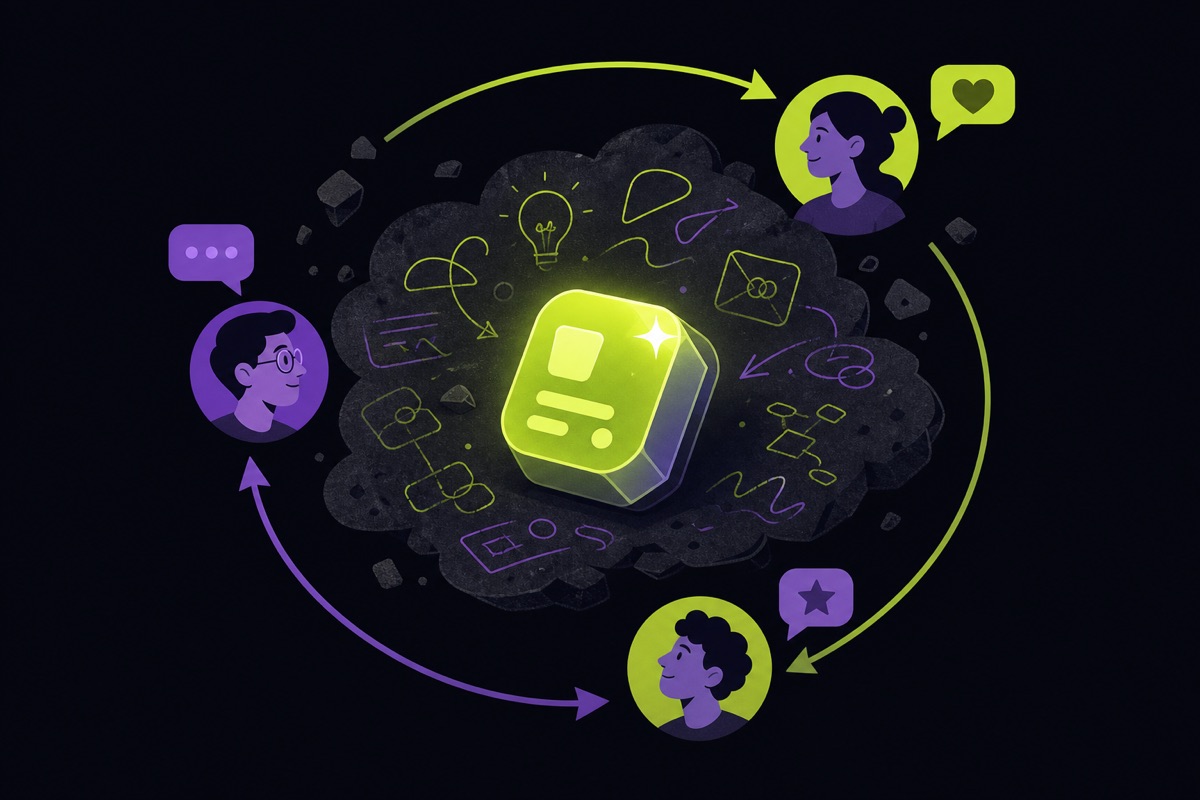
MVP (Minimum Viable Product) is the simplest version of a product that can be released to test a business idea. It includes only the core features necessary to solve the main problem and gather feedback from early users. Think of it as version 0.1 of your product—functional but focused.
What is MVP? (Definition)
MVP stands for Minimum Viable Product. It's a version of a new product that includes only the core features necessary to solve the main problem for early users and gather validated learning with minimal effort.
The concept was popularized by Eric Ries in his influential book "The Lean Startup" (2011). The idea is simple: instead of spending months or years building a "perfect" product, you build the minimum version needed to start learning from real users.
"The minimum viable product is that version of a new product which allows a team to collect the maximum amount of validated learning about customers with the least effort."
— Eric Ries, The Lean Startup
Breaking Down the Term
- Minimum: Only essential features, nothing extra. If a feature isn't critical to solving the core problem, it's cut.
- Viable: Actually works and provides real value. It's not a broken prototype—users can genuinely accomplish their goals.
- Product: A real, usable product (not just a mockup or landing page). Users can interact with it.
MVP Meaning & Origin
The term "Minimum Viable Product" was coined by Frank Robinson in 2001, but it was popularized by Eric Ries and Steve Blank as part of the Lean Startup methodology.
The concept emerged from the software development world but has since been adopted across industries—from hardware to services to content businesses. The core principle remains the same: validate before you invest heavily.
The MVP approach has helped companies like Dropbox, Airbnb, and Uber validate their ideas before investing millions in development. Each started with something embarrassingly simple.
Why Build an MVP?
Building an MVP before a full product saves time, money, and reduces risk. Here's why smart founders start with an MVP:
Key Benefits of Building an MVP
1. Validate Your Idea
In CB Insights' analysis of startup post-mortems, "no market need" is one of the most common reasons startups fail. An MVP lets you test if people actually want your product before investing heavily. Real user data beats assumptions every time.
2. Save Money
Building a full product costs $50,000-$500,000+. An MVP costs $5,000-$50,000. If the idea doesn't work, you still have most of your budget for the next attempt.
3. Launch Faster
Full products take 6-18 months. MVPs take 1-3 months. Get to market faster and start learning immediately. Speed is a competitive advantage.
4. Attract Investors
Investors prefer funding startups with traction. An MVP with real users and data is far more compelling than a pitch deck with assumptions.
Famous MVP Examples
The world's biggest companies started as simple MVPs. Here are inspiring examples that prove you don't need a perfect product to start:
🎥 Dropbox — A Demo Video
Before writing any code, Drew Houston created a 3-minute video showing how Dropbox would work. The video went viral, and waitlist signups jumped from 5,000 to 75,000 overnight. This validated demand before building the actual product.
Result: $10B+ valuation
🏠 Airbnb — Air Mattresses
Brian Chesky and Joe Gebbia couldn't afford rent, so they put air mattresses in their living room and created a simple website: "Air Bed and Breakfast." They manually handled everything—no fancy booking system, no payment processing.
Result: $75B+ valuation
📚 Amazon — Just Books
Jeff Bezos knew he wanted to build "the everything store," but started with just books. He personally packed and shipped orders from his garage. This let him test e-commerce logistics before expanding to other categories.
Result: $1.5T+ valuation
🚗 Uber — SMS in San Francisco
The first Uber was a simple app that let you text for a black car in San Francisco only. No ratings, no fare estimates, no driver tracking. Just "push a button, get a car."
Result: $70B+ valuation
Notice how these MVPs were embarrassingly simple. They didn't have fancy features, perfect UI, or scalable architecture. They solved ONE problem for ONE group of users. That's the MVP mindset.
MVP vs Prototype vs POC
People often confuse MVP with prototypes and proof of concepts. Here's the difference:
🔬 Proof of Concept (POC)
- Tests if idea is technically feasible
- Internal audience only
- Not usable by customers
- Timeline: Days to 2 weeks
- Cost: $500-$5,000
🎨 Prototype
- Visualizes the product concept
- For stakeholders, investors
- Clickable mockup, not real
- Timeline: 1-4 weeks
- Cost: $2,000-$15,000
🚀 MVP (Minimum Viable Product)
- Validates market demand with real users
- For actual customers
- Real, working features
- Timeline: 4-12 weeks
- Cost: $5,000-$50,000+
How to Build an MVP
In short: confirm the problem with 20 or more customer conversations, pick one specific first user, map the shortest path from problem to solution, cut every feature that is not on that path, build on boring and proven technology, then launch to a small group and talk to every one of them.
Each of those steps has its own traps. The step-by-step guide to building an MVP walks through all seven, with best practices, common mistakes, timelines and costs.
Curious what yours would cost? The MVP cost calculator gives you a price range and timeline in under a minute, and the case studies show MVPs we have shipped.
Ready to Build Your MVP?
Get a production-ready MVP in 30 days. Senior developers, fixed $5,000 pricing, full refund + $2,000 guarantee.
Get Free Strategy Call →How Much Does an MVP Cost?
MVP development costs vary widely based on complexity and who builds it:
The huge range depends on: complexity of features, developer experience level, location of team, tech stack choices, and design requirements.
Learn more: Complete MVP Development Cost Guide 2026
Common MVP Mistakes to Avoid
❌ Building Too Much
The #1 mistake. Founders add "just one more feature" until the MVP becomes a full product. This defeats the purpose. Set a hard feature limit and stick to it.
❌ Perfectionism
Polishing UI, optimizing performance, handling edge cases—before you know if anyone wants the product. Remember: "If you're not embarrassed by v1, you launched too late."
❌ Not Talking to Users
Building based on assumptions instead of real user feedback. Your idea of the problem may not match reality. Talk to 20+ potential users before and during development.
❌ Wrong Team
Hiring cheap developers who take 6 months and deliver buggy code. Or trying to build it yourself without technical skills. Invest in quality—the time and cost difference pays for itself.
What's Next After MVP?
You've launched your MVP. Now what? Follow this roadmap:
- Gather Feedback (Weeks 1-4): Interview users, analyze behavior data, identify the biggest friction points.
- Iterate Rapidly (Weeks 4-8): Fix critical issues, improve the core experience. Don't add new features yet—make existing ones better.
- Find Product-Market Fit (Months 2-6): Keep iterating until users love your product. Signs: organic growth, high retention, users upset when it's down.
- Scale (After PMF): Only after product-market fit should you focus on growth, marketing, and scaling.
Frequently Asked Questions
What is MVP in software development?
MVP stands for Minimum Viable Product. It's a development strategy where you build a product with just enough features to satisfy early customers and gather feedback for future development. An MVP helps validate your business idea with minimal investment before building a full product.
What does MVP stand for?
MVP stands for Minimum Viable Product. The term was popularized by Eric Ries in his book 'The Lean Startup'. It refers to a product with the minimum features needed to test a business hypothesis and learn from early adopters.
How long does it take to build an MVP?
A well-scoped MVP can be built in 2-12 weeks depending on complexity. minidev.pro delivers production-ready MVPs in 30 days with senior developers, compared with the 3-6 months typical for agencies.
How much does an MVP cost?
MVP development costs range from $5,000 to $150,000+ depending on the provider. minidev.pro offers premium MVP development for $5,000 with a full refund + $2,000 guarantee, compared to typical agency costs of $50,000-$150,000.
What are examples of successful MVPs?
Famous MVP examples include: Dropbox (started with just a demo video), Airbnb (founders rented their own apartment), Amazon (started selling only books), Facebook (launched at Harvard only), and Uber (basic app in San Francisco). These companies validated their ideas with minimal features before scaling.